In 2024, more than 60% of sports equipment purchases are made online, with a record return rate of 23% due to unsuitable choices. Some brands reserve advanced features for entry-level models, while others prioritize durability in high-end products.
Technical standards evolve every year, rendering previously essential purchasing criteria obsolete. The differences between performance-oriented equipment and those designed for versatility blur the lines more than ever.
Why the right equipment makes all the difference in 2024
Choosing your sports equipment in 2024 is much more than just a matter of pure performance. Every detail matters: the embedded technology, the durability of materials, the presence of environmental labels. Brands compete in ingenuity: smart textiles, integrated sensors, recycled materials. The result? Gains across the board: better performance, optimized comfort, lower risk of injury. Connected equipment now allows for precise tracking, from heart rate to recovery and progress over sessions.
Athletes today want clothing that reflects their identity while being tailored to their discipline. Personalization is becoming essential, fueled by the wave of social media and an omnipresent pop culture. A sharp design, sometimes stemming from collaborations with champions, now weighs as much in the purchasing decision as the durability or lightness of the equipment.
The eco-responsible approach is firmly establishing itself in the choice of sports equipment. Repair bonuses, second-hand purchases, and the use of sports recycling are all ways to extend the lifespan of products while reducing one’s impact on the planet. Environmental labels are becoming valuable references, while brands play the transparency card and partner with committed athletes.
To navigate this landscape, it’s best to compare materials based on your activity, check for innovative technologies, and inquire about repair or recycling options. For an up-to-date overview of trends, it’s relevant to discover sports equipment on Free Sport, which combines innovation, safety, comfort, and respect for the environment without sacrificing anything.
What criteria should you prioritize for a choice truly suited to your practice?
The level of practice immediately guides the choice. A beginner does not have the same technical needs or level of expectation as an experienced athlete. Someone who trains often expects more comfort, better durability, and perhaps an embedded technology to track their progress.
Another key point: the type of sport practiced and the weather conditions you will face. A winter running top does not meet the same constraints as a summer outfit for tennis. The choice of materials, whether innovative or eco-friendly, must align with the reality of the field: resistance to rain, temperature regulation, lightness, or quick drying.
Here are the elements to examine to further refine your choice:
- Environmental labels: prioritize certifications that guarantee responsible production and the use of recycled materials.
- Repair bonuses and sports recycling: opt for equipment that is repairable or made from reused materials to reduce your ecological impact.
- Warranty and customer service: ensure you can rely on follow-up after purchase, a sign of long-term reliability.
The price also matters, of course. It depends on innovation, the brand, materials, and varies by season. But the equation doesn’t stop there: the equipment’s ability to adapt to your use, its lifespan, and the possibility of repair are equally crucial for a thoughtful purchase.
Focus on essential equipment and the best recommendations of the moment
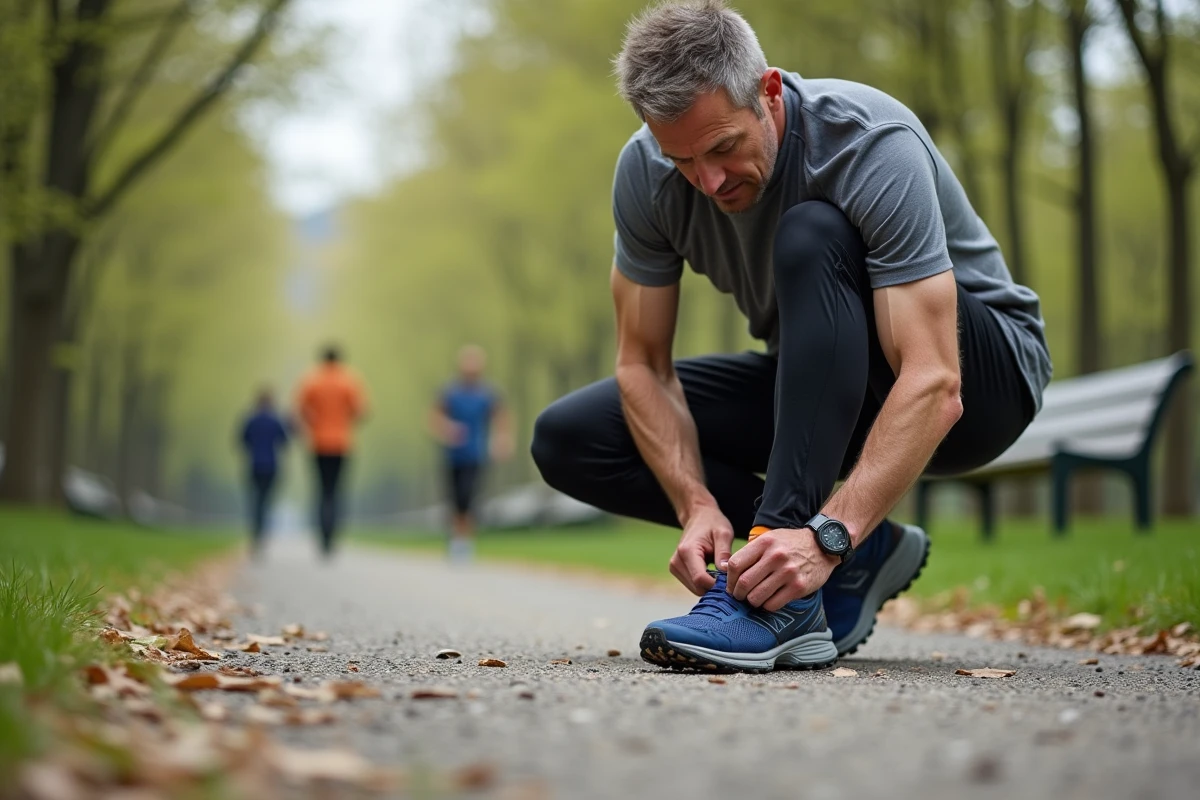
Technology is omnipresent in sports equipment in 2024. Running shoes now incorporate recycled materials to combine performance and durability. The sole absorbs shocks better and adapts to each person’s stride. For running or marathon running, finding the right pair remains the best decision to make.
Enthusiasts of team sports prefer balls from certified sources, as well as solid, breathable textiles, sometimes personalized with their club colors. Personalization is also gaining traction in combat sports: gloves tailored to the hand, connected textiles to analyze the impact of strikes, flexible yet protective materials.
Here are some examples of equipment not to overlook in 2024:
- Smartwatch: a true ally for athletes, it tracks heart rate, distance, and sleep. The latest generations are lighter, more robust, and designed for both weight training and cycling.
- Hiking gear: choose innovative fabrics that are resistant to the elements and made from eco-friendly materials, to hike for long periods while respecting nature.
- Sports equipment kits: present in French schools, they encourage regular and structured practice, promoting the Generation 2024 and physical activity in daily life.
Innovation is also found in bicycle accessories: smart lights, connected helmets, reflective textiles. Some equipment is becoming repairable thanks to the repair bonus, and sports recycling offers sustainable alternatives with a lower impact. Making the right choice in 2024 is therefore about investing in the present without compromising the future. Who would have thought that a simple pair of shorts or sneakers could involve so many choices, for oneself as well as for the planet?