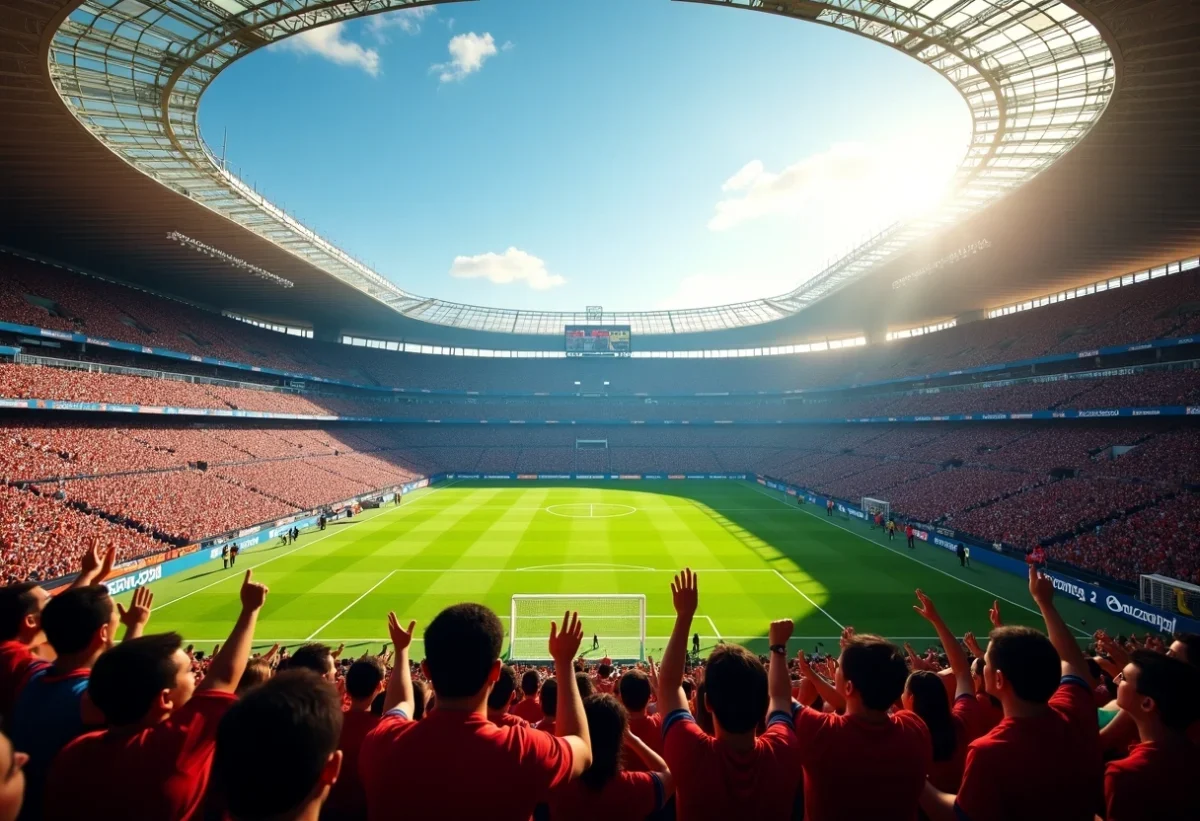
Spanish football teams have always been synonymous with passion and excellence. From Real Madrid’s dominance in the Champions League to the meteoric rise of clubs like Atlético Madrid, each season brings its share of surprises and remarkable performances.
Recent analyses show a tactical evolution, with better defensive organization and an increased use of young talents from academies. This balanced approach between experience and youth allows Spanish teams to remain competitive on the international stage while constantly renewing their squads.
Analysis of the performances of Spanish football teams: a historical perspective
The La Liga, established in 1929, is the stage for memorable performances and historical rivalries. Some clubs have left their mark on this competition. Real Madrid, with its 35 championship titles, is undoubtedly a football institution. This club has seen legends like Alfredo Di Stefano and Cristiano Ronaldo pass through its ranks. FC Barcelona, holder of 27 titles, is no less impressive, supported by geniuses such as Lionel Messi.
The statistics of La Liga highlight the success of these clubs, but also that of teams like Atlético Madrid, Athletic Bilbao, and Valencia. Each of these clubs has contributed to the competitiveness and spectacle of this championship. The training centers, La Masia for FC Barcelona and Valdebebas for Real Madrid, play a fundamental role in this success, nurturing the talents of tomorrow.
Iconic Players
Individual performances have also marked the history of La Liga:
- Lionel Messi: 474 goals scored, 192 assists, 8 Pichichi Trophies
- Cristiano Ronaldo: 48 goals in a season, 61 penalties converted
- Andoni Zubizarreta: 622 matches played
- Hugo Sánchez: 5 Golden Shoes
These figures illustrate not only individual talent but also the collective impact of these players on their respective teams.
Title Distribution
| Club | Championship Titles | Champions League Titles |
|---|---|---|
| Real Madrid | 35 | 13 |
| FC Barcelona | 27 | 5 |
The data shows a shared dominance between Real Madrid and FC Barcelona, but other clubs continue to play an essential role in the attractiveness and competitiveness of La Liga.
Statistical and Tactical Evaluation of La Liga Teams
The performances of La Liga teams are not measured solely by their trophies. Statistical and tactical analysis reveals key elements for understanding the dynamics of this championship. Player statistics are key indicators.
- Lionel Messi: 474 goals scored, 192 assists, 8 Pichichi Trophies
- Cristiano Ronaldo: 48 goals in a season, 61 penalties converted
- Andoni Zubizarreta: 622 matches played
- Hugo Sánchez: 5 Golden Shoes
These figures illustrate much more than individual performances. They show how these players have transformed their teams into true winning machines. The role of training centers, such as La Masia and Valdebebas, is also crucial. They produce talents capable of quickly integrating into the complex playing systems of top-level teams.
Tactical Aspects
The tactical aspect is equally essential. Coaches like Pep Guardiola, Zinedine Zidane, and Diego Simeone have brought innovative approaches:
- Pep Guardiola and his tiki-taka
- Zinedine Zidane and his quick transition play
- Diego Simeone and his hyper-organized low block
These strategies have not only improved team performances but have also redefined the standards of modern football. La Liga has thus become a laboratory of tactics, where each match offers valuable lessons.