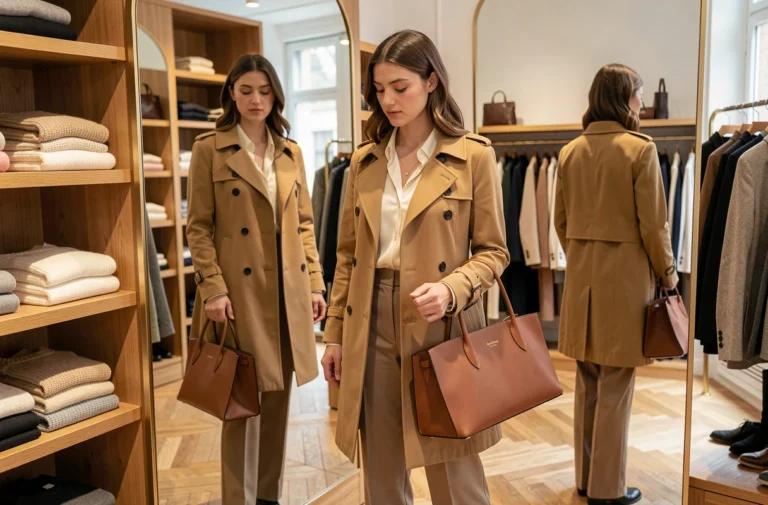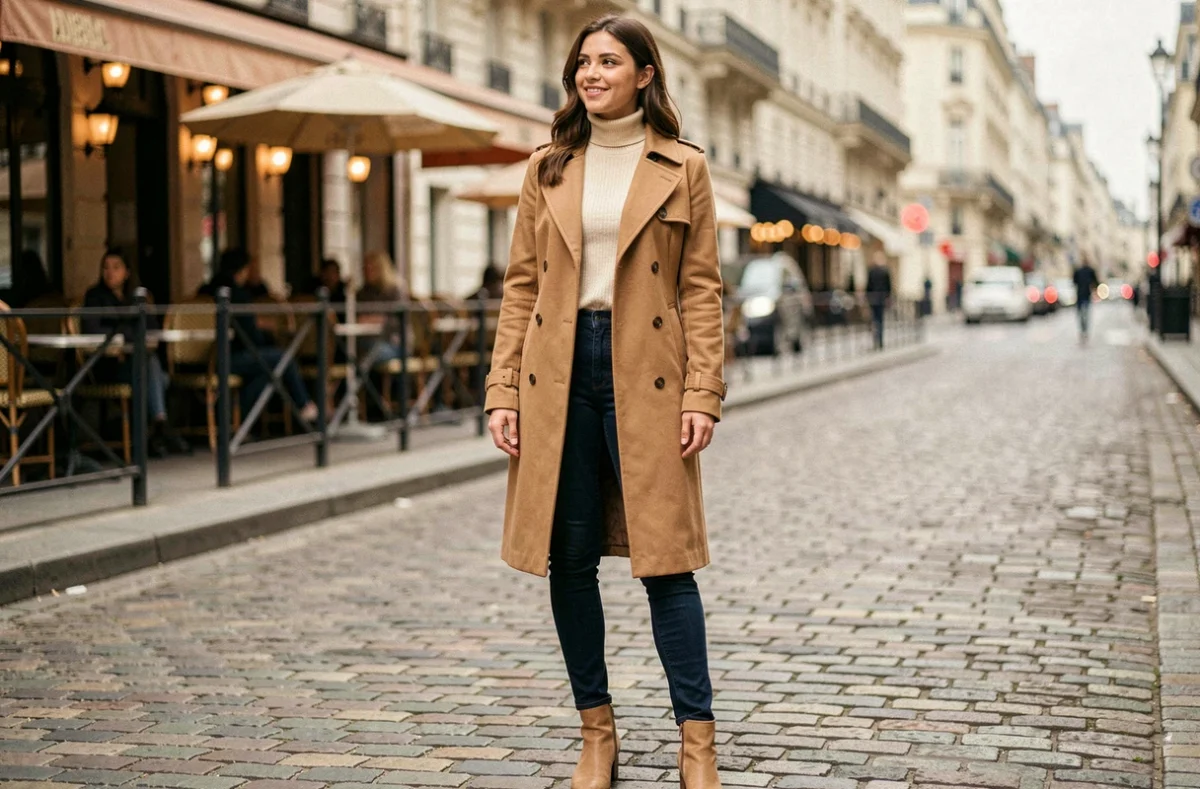
A fashionable wardrobe isn’t built by clearing the racks of new collections. It takes shape around what’s already in your closet, with carefully chosen updates to the cuts, colors, and fabrics seen on this season’s runways.
Spring/Summer 2026 runway silhouettes: what’s changing the shape
Analyses of the Spring/Summer 2026 shows confirm a return to architectural volume through the upper body: defined shoulders, cropped puff sleeves, and oversized collars. What these looks have in common is that they reshape the silhouette without requiring a complete outfit overhaul.
In practice, a jacket you already own with slightly structured shoulders is enough to capture the look. The cut matters more than how new the garment is: an oversized blazer bought three seasons ago still works if its proportions fit this direction.
The lower half provides a counterpoint. The barrel-leg jean, with its wide cut and slightly tapered ankle, has become a key piece in today’s looks. Paired with a fitted top, it creates the contrast in volume highlighted on the runways. There’s no need to buy three pairs: one well-cut barrel-leg jean is enough to bring your wardrobe into the season.
Explore fashion at Sandra Elle to spot the cuts actually making the rounds this season and compare them with what’s already in your closet.
Women’s 2026 color palette: berry tones and butter yellow without replacing everything
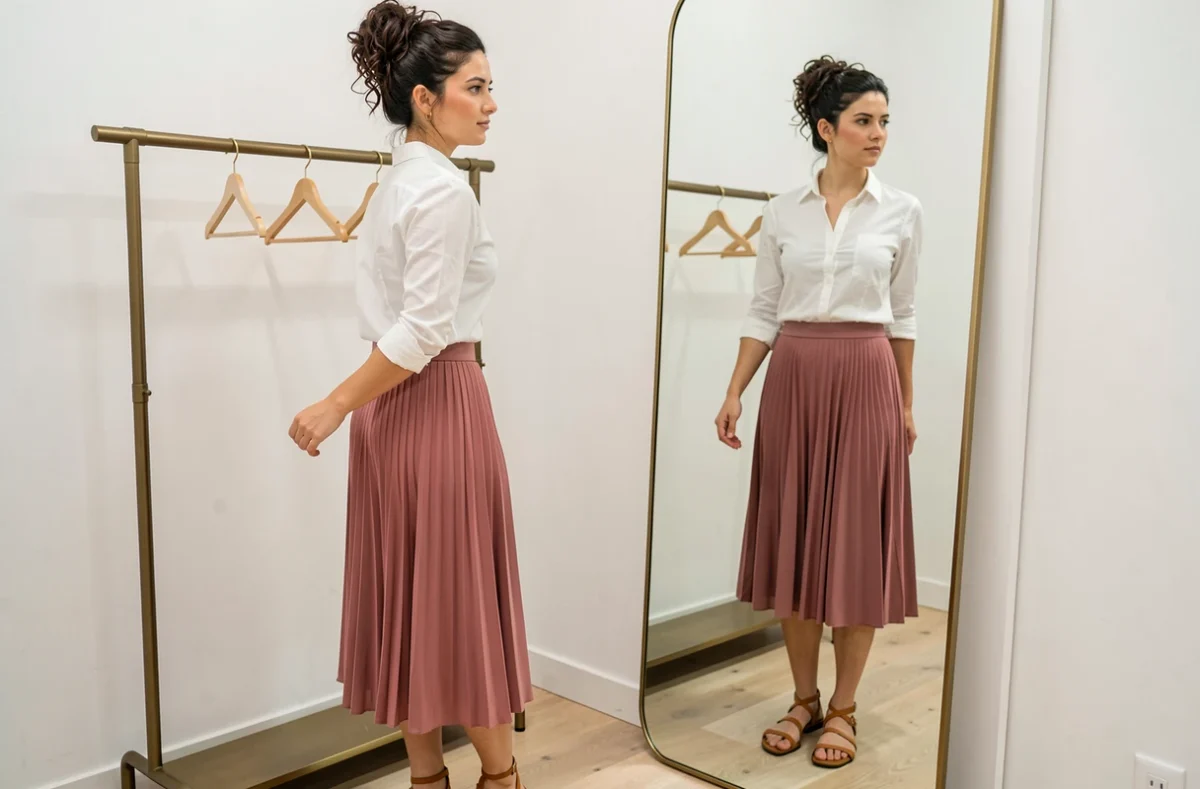
Berry tones (blackberry, blackcurrant, deep burgundy) are emerging as the season’s standout palette, according to analyses covered by ELLE. Butter yellow adds a softer note. For most wardrobes, these shades don’t require a major investment.
Bring in the berry trend with just one accessory (a bag, belt, or scarf) to transform a neutral outfit without changing its structure. Berry can replace black in a statement piece: burgundy trousers worn with a cream sweater create an instant seasonal look.
Butter yellow works the same way. A top or knit in this shade, paired with dark-wash jeans or beige trousers, is enough to refresh a look without piling up purchases. The practical rule is simple: wear just one bold-colored piece per outfit and keep the rest in neutral shades you already own.
Floral and geometric prints: one piece is enough
Floral prints are sharing the Spring/Summer 2026 runways with polka dots and geometric patterns. A floral dress worn with solid-color accessories, or a geometric blouse tucked under a simple blazer, captures the trend without overwhelming the silhouette. A print works as the single focal point of an outfit, not as an all-over theme.
Put together a fashionable look using pieces you already own
Budget decisions start with an honest inventory. Before considering a purchase, compare the season’s trends with the pieces you already have. Most wardrobes already contain basics that work with current trends.
Here are some practical checks to make:
- Identify pieces with volume (a structured blazer, oversized shirt, or padded-shoulder jacket) that fit the season’s architectural cuts, even if they’re several years old
- Note the dominant neutrals in your closet (black, navy, cream, beige) and decide which bold color (berry or butter yellow) would complement them with just one targeted purchase
- Check whether you already own wide-leg or relaxed-fit jeans, a key piece in current outfits, before considering a new pair of barrel-leg jeans
- Assess your existing accessories (bags, belts, jewelry) to see if they could bring in the season’s palette without changing your clothes
This approach turns the usual logic of trend guides on its head. Instead of listing what to buy, it starts with what you already own and adds only what’s genuinely missing.
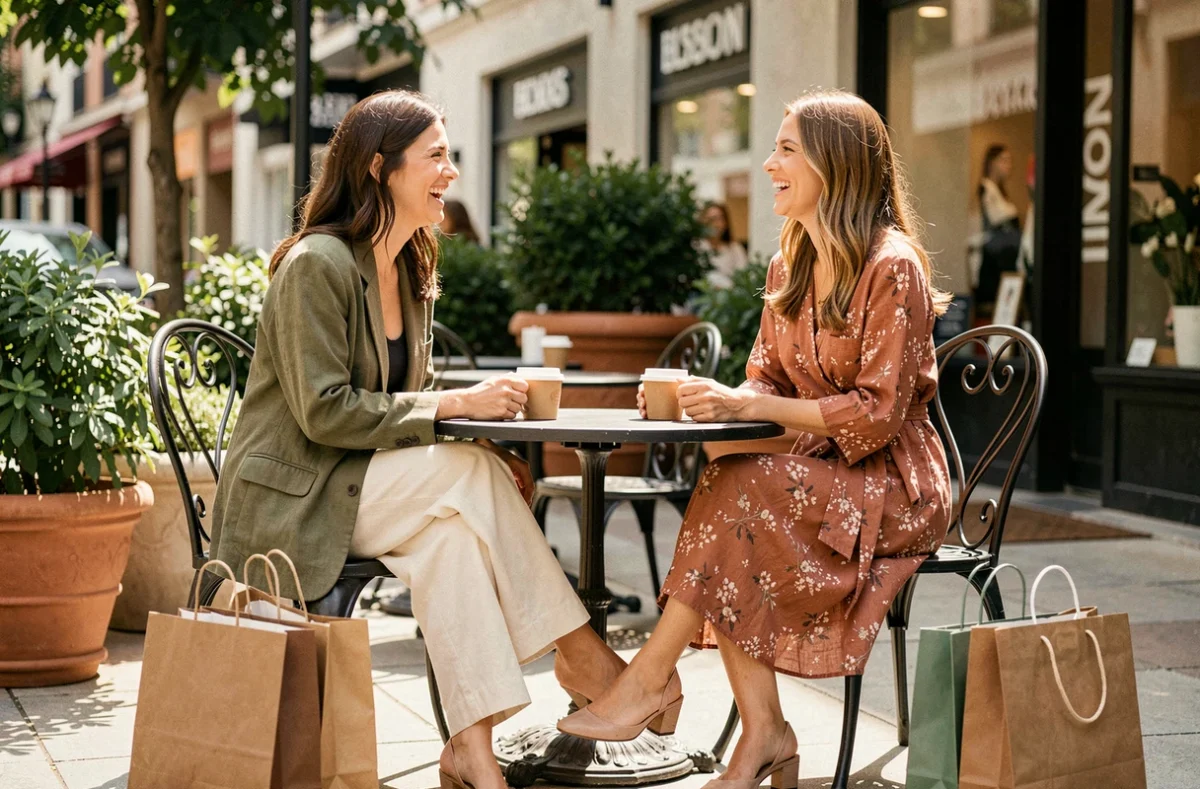
Secondhand and responsible fashion: reuse as a style strategy
The European ESPR Regulation (EU) 2024/1781 strengthens traceability and reuse requirements in the textile industry. For consumers, this means a growing selection of secondhand pieces in good condition, along with better-established channels for resale, donation, and the reuse of unsold stock.
Secondhand is becoming a strategic way to shop for trends without paying new-item prices. A structured blazer from a previous season or trousers in a berry shade that fell out of fashion and is now back in style: these pieces circulate on resale platforms for a fraction of their original price.
A responsible approach isn’t just an ethical choice. It offers a practical budget advantage: save new purchases for pieces that are hard to find secondhand (a very specific color or technical cut) and source the rest from the resale market.
Balancing runway inspiration, budget, and sustainability
Not every runway look is worth buying into. Micro-trends (a collar detail or a specific lacing style) disappear within a few months. Broader trends (structured volume, a berry palette, the return of prints) remain wearable for several seasons.
Distinguishing lasting trends from micro-trends helps avoid disposable purchases. A garment that reflects a lasting trend is worth investing in, whether new or secondhand. A micro-trend can be captured with an accessory or a styling detail on a piece you already own.
The strongest fashionable wardrobe is one that adapts to new directions without a complete overhaul. A closet of fifteen well-chosen pieces, complemented by one or two targeted additions each season, creates more current looks than a pile of clothes bought on impulse after a runway show.