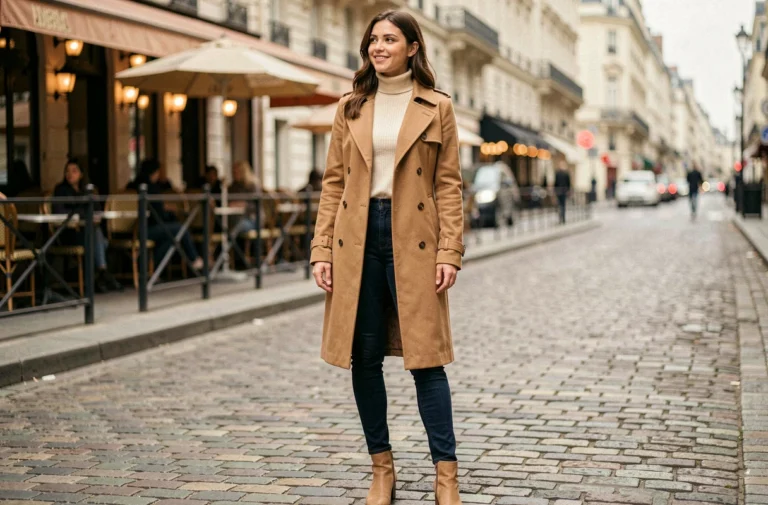
A blazer bought on impulse that goes with nothing in your wardrobe, white sneakers worn with everything for lack of a better option, a scarf that looked perfect in the shop window but ends up forgotten in a drawer. We all know those purchases that never quite find their place in a complete outfit.
Choosing trendy clothes and accessories isn’t just about following the runway shows: it’s first and foremost about finding harmony between what you wear, how you spend your days, and what really flatters your figure.
Build a wardrobe around your everyday needs
Before thinking about trends, save time by starting with a typical week. Someone who splits their time between the office, commuting, and going out in the evening has different needs from someone who works from home and mostly goes out on weekends. The most stylish outfit is the one you actually wear, not the one waiting for some hypothetical occasion.
In practical terms, list the three or four recurring settings in your life (work, errands, dinners, light exercise) and check that each item in your wardrobe works for at least two of them. For example, tailored trousers can take you from the office to a restaurant without needing to change. A lightweight linen jacket works just as well in a meeting as on a terrace.
At leroyaumedelamode.fr, you’ll find pieces that fit this versatile approach, with cuts designed to work for different occasions without sacrificing style. It’s the kind of habit that helps you avoid accumulating clothes you’ll only wear once.
Body shape and flattering cuts
Balancing proportions matters just as much as choosing the right pieces. A fitted top with a looser bottom (or vice versa) creates a visual balance that works for most body shapes. Wearing oversized pieces from head to toe can overwhelm your figure, even when the trend suggests otherwise.
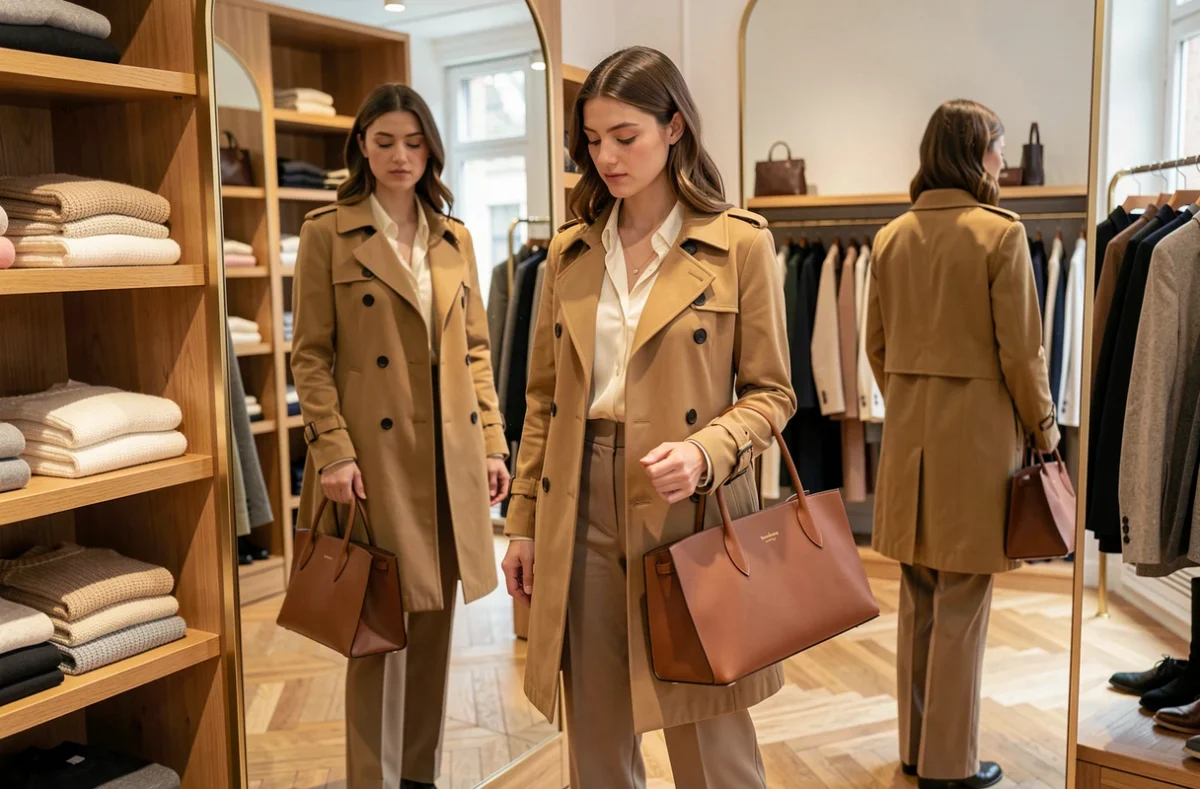
Trying clothes on before buying is still the most reliable test. Sizes vary from one brand to another, and a cut that flatters a model may fit differently depending on your shoulders, waist, or hips. In a store, moving around in the garment (sitting down, raising your arms) tells you things a product photo can’t.
Colors and trendy outfit combinations
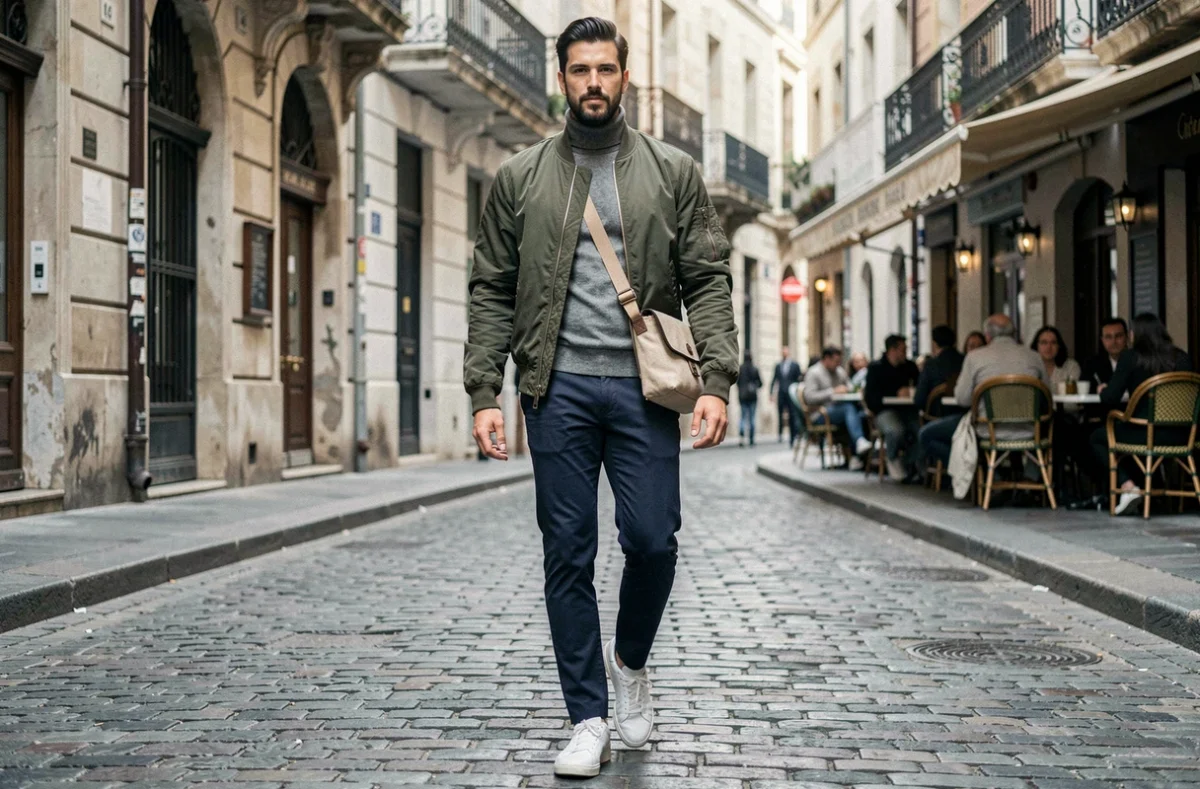
Black, white, navy, and beige make up a foundation that goes with almost anything. Starting with these neutral shades for bottoms and key pieces (trousers, jackets, coats) leaves room to add color through tops or accessories.
More than three colors in an outfit can be difficult to pull off. The most practical rule: two neutral shades and one bolder color, used on one or two pieces. Tonal dressing (wearing several shades of the same color) also works well for a cohesive look with minimal effort.
Everyday contrasts and prints
Pairing a print with solid-colored pieces helps avoid visual overload. A floral blouse works with plain trousers, not a checked skirt. If you’re unsure, try the combination in front of a mirror in daylight, since artificial fitting-room lighting often distorts colors.
Contrasting colors (off-white and burgundy, navy and mustard) add depth to a basic outfit. But the most underrated contrast is between textures: pairing matte cotton with leather or silk creates a stylish effect that color alone can’t achieve.
Fashion accessories: pieces that transform an outfit
A well-chosen accessory can turn a neutral outfit into a statement look. A common mistake is wearing too many trendy accessories at once: chunky jewelry, a statement bag, a printed scarf, and a hat. The result obscures your silhouette instead of defining it.
- A handbag has the biggest visual impact of any accessory. A structured leather or faux-leather style in a color that contrasts with your outfit is enough to anchor your look. Its size should remain in proportion to your frame.
- Jewelry works best when layered sparingly: two or three delicate rings, a subtle necklace, or noticeable earrings—but not all three at once.
- A belt, often overlooked, can define the waist on a flowing dress or oversized blazer. It adds structure without introducing another color if you choose one in a shade close to your shoes.
- A silk or lightweight cotton scarf adds color near the face. Tied around the neck or wrist, or onto a bag, it can replace a piece of jewelry when you want to keep the overall look simple.
The practical rule: choose just one statement accessory per outfit and keep the rest understated. The result is a clear, polished look—not a catalog.

Secondhand fashion and clothing labels: make better choices without sacrificing style
Secondhand fashion is no longer just for people on a tight budget. According to a study by Ademe and Obsoco published in June 2025, 42% of French respondents had bought at least one secondhand garment in the previous twelve months. Thrift stores, consignment shops, and secondhand sections in boutiques offer unique pieces that help define your personal style, precisely because you won’t see them on everyone else.
As for regulations, the European Ecodesign for Sustainable Products Regulation (ESPR), which entered into force on July 18, 2024, provides for a ban on destroying unsold clothing and footwear for large companies starting July 19, 2026. More unsold items should therefore reach the market through clearance or secondhand channels, expanding the range of available options.
Check the fabric label before buying
A clothing label is a practical way to assess a garment’s quality. A 100% cotton T-shirt won’t respond to washing in the same way as a polyester-elastane blend. Natural fibers (cotton, linen, wool) generally drape better and wear well over time, but require more careful care.
Make it a habit to turn the garment inside out, check the percentage of each fiber, and read the washing instructions before paying. A garment that’s difficult to care for eventually stops being worn, whatever its style.
Expressing your personal style every day has less to do with how many pieces you own than with how well what you wear fits the way you live. A streamlined wardrobe built around flattering cuts, well-chosen colors, and one or two thoughtfully placed accessories does more for you than a closet overflowing with fleeting trends.