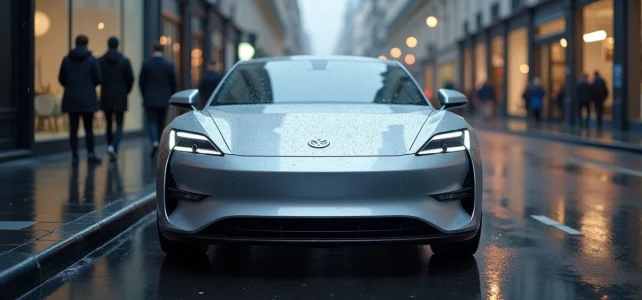
The French and European automotive market went through a year 2024 marked by contradictory signals. New vehicle registrations evolved unevenly according to the types of engines, while the used car market continued to weigh heavily in transactions. Between the unexpected decline of pure electric vehicles, the rise of hybrids, and an extension of vehicle ownership duration, the automotive landscape has reconfigured itself faster than expected.
Price Discrepancies on Charging Stations: An Underestimated Barrier for Electric Vehicles
The issue of the operating cost of electric cars goes beyond the purchase price. Data published by consumer associations in 2024 reveal price discrepancies of nearly 500% for the same charge depending on the charging station operators. A driver charging on the highway sometimes pays several times the rate charged by a municipal station just a few kilometers away.
Recommended read : The Latest Economic and Financial Trends to Watch in 2024 for Businesses
This pricing opacity complicates the calculation of the actual cost per kilometer. For a buyer hesitating between electric and hybrid, the lack of a clear pricing structure weighs in the balance. Field feedback varies on this point: some urban users with a home charging station find electric vehicles very competitive, while rural drivers or high-mileage users notice bills much higher than anticipated.
This pricing ambiguity partly explains why several manufacturers, including Subaru, announced in 2024 a strategic shift towards hybrids rather than full electric. To follow the evolution of these engine type decisions over the months, the articles published on Le Blog Auto Mag regularly detail manufacturers’ announcements and their consequences on the French market.
Read also : The latest fashion trends and must-have tips to stay stylish this season

Market Share of Electric Vehicles in Europe: The Decline of 2024
The registration data published by ACEA for 2024 show a phenomenon that few observers had anticipated. The market share of electric vehicles has declined in several major European markets, while hybrids (both plug-in and non-plug-in) have progressed more rapidly.
Several factors combine to explain this decline:
- The purchase costs of electric models remain high despite public subsidies, which hinders middle-income households
- The charging infrastructure, although expanding, still suffers from major geographical and pricing disparities
- Non-plug-in hybrids offer immediate consumption reduction without range constraints or dependence on charging stations
Mild hybrids, in particular, are gaining ground because they hardly change driving habits. For a manufacturer like Stellantis, present in many segments in France, this trend has led to an expansion of the hybrid offering on popular models rather than forcing the transition to 100% electric.
What the ACEA Numbers Don’t Tell
Registration statistics measure new sales, not actual usage. A plug-in hybrid registered as such can run most of the time in thermal mode if its owner does not charge it regularly. The available data do not allow for conclusions about the actual environmental impact of this shift towards hybrids.
Used Car Market and Extension of Ownership Duration in France
The used vehicle market remains structurally larger than the new car market in France. The rise in prices of new cars in 2024 has reinforced an already established trend: drivers are keeping their vehicles longer and turning to used cars when they change vehicles.
This evolution has direct repercussions on the after-sales sector. Market studies in 2024 on automotive after-sales services document an increase in demand for preventive maintenance: more regular servicing, electronic diagnostics, maintenance packages. The aging vehicles in the French fleet require more thorough technical follow-up, benefiting both independent networks and dealerships.
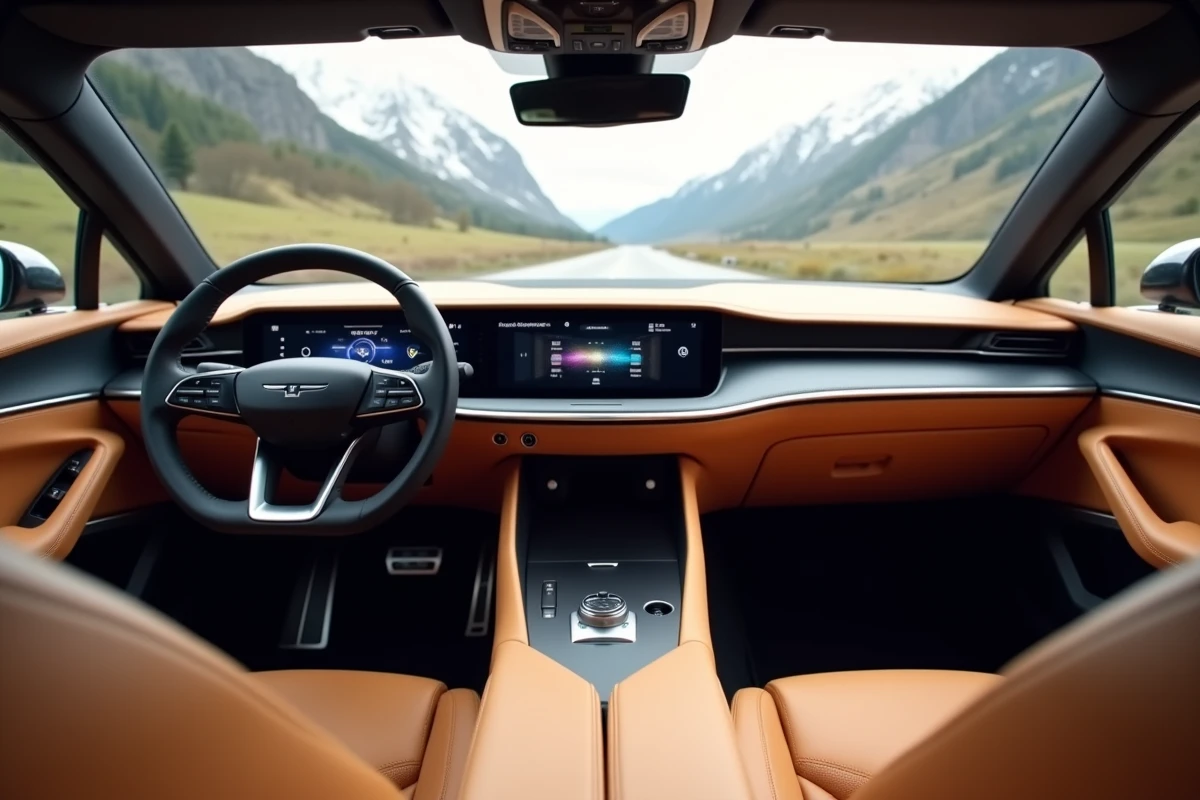
A Used Car Market That Filters Trends from New
SUVs now dominate the used car market just as they do the new car market. The share of SUVs in used transactions is mechanically increasing as the models sold new in recent years feed the secondary market. A used car buyer in 2024 is more likely to find a recent compact SUV than an equivalent sedan.
In contrast, used electric vehicles remain rare, and their residual value fluctuates. Uncertainty about battery lifespan and replacement costs hinders resale. This segment remains marginal compared to thermal and hybrid vehicles in the second-hand market.
Stellantis and the Reconfiguration of the Automotive Offering in 2024
Stellantis has played a central role in automotive news in 2024, amid strategic announcements and restructuring. The Fastlane plan presented by the group includes Fiat launching four new budget models by 2030, a clear signal of repositioning in the accessible segment.
This direction contrasts with the strategy of moving upmarket pursued in previous years. The return to affordable new vehicles responds to a decline in sales in European markets where automotive purchasing power is stagnating. DS, on the other hand, is the subject of persistent rumors about a possible rapprochement with Citroën, raising questions about the relevance of the premium positioning within the group.
The French automotive market in 2024 did not follow the linear trajectory towards electrification that many had predicted. Hybrids are progressing, the used market is becoming increasingly significant, and manufacturers are adjusting their ranges towards more accessible prices. The future will depend as much on European regulatory decisions as on the ability of charging networks to offer clear and competitive pricing.