The chayote, also known as chouchou, is an exotic vegetable that is gaining popularity in home gardens. Native to tropical regions, it is appreciated for its mild flavor and crunchy texture. Its cultivation is surprisingly simple, even for novice gardeners.
In addition to being delicious, chayote is a source of vitamins and minerals. To fully enjoy it, simply plant a few seeds in well-drained soil and let nature do the rest. With a little care, you’ll soon be able to harvest this fascinating vegetable and incorporate it into your favorite dishes.
How to grow chayote in your garden
Growing chayote, or Sechium edule, in your garden requires a bit of preparation, but the results are rewarding. Native to Mexico and Central America, this plant from the gourd family adapts well to different climates, although it prefers warm regions.
Soil preparation and planting
The chayote planting requires well-drained, humus-rich soil. Follow these steps for successful cultivation:
- Choose a sheltered and sunny spot.
- Prepare the soil by incorporating compost to enrich the substrate.
- Plant the whole fruit, point up, at a depth of about 10 cm.
Chayote is a climbing plant that can reach up to 5 meters. Prepare stakes or trellises to support its growth.
Maintenance and harvesting
Chayote requires moderate but regular watering. Ensure that the soil remains slightly moist without being waterlogged. This plant also needs sunny exposure to develop fully.
Harvesting usually occurs around November. A single plant can produce several dozen kilos of fruit. The fruits should be harvested when they are still green and firm.
Propagation and varieties
Chayote is primarily propagated by planting the whole fruit. You can also try cutting the stems, although this method is less common.
Some popular varieties include:
- Sechium edule, the most common variety.
Cultivated by the Aztecs and introduced to Réunion, chayote is now enjoyed in many regions of the world, including Paris and New York.
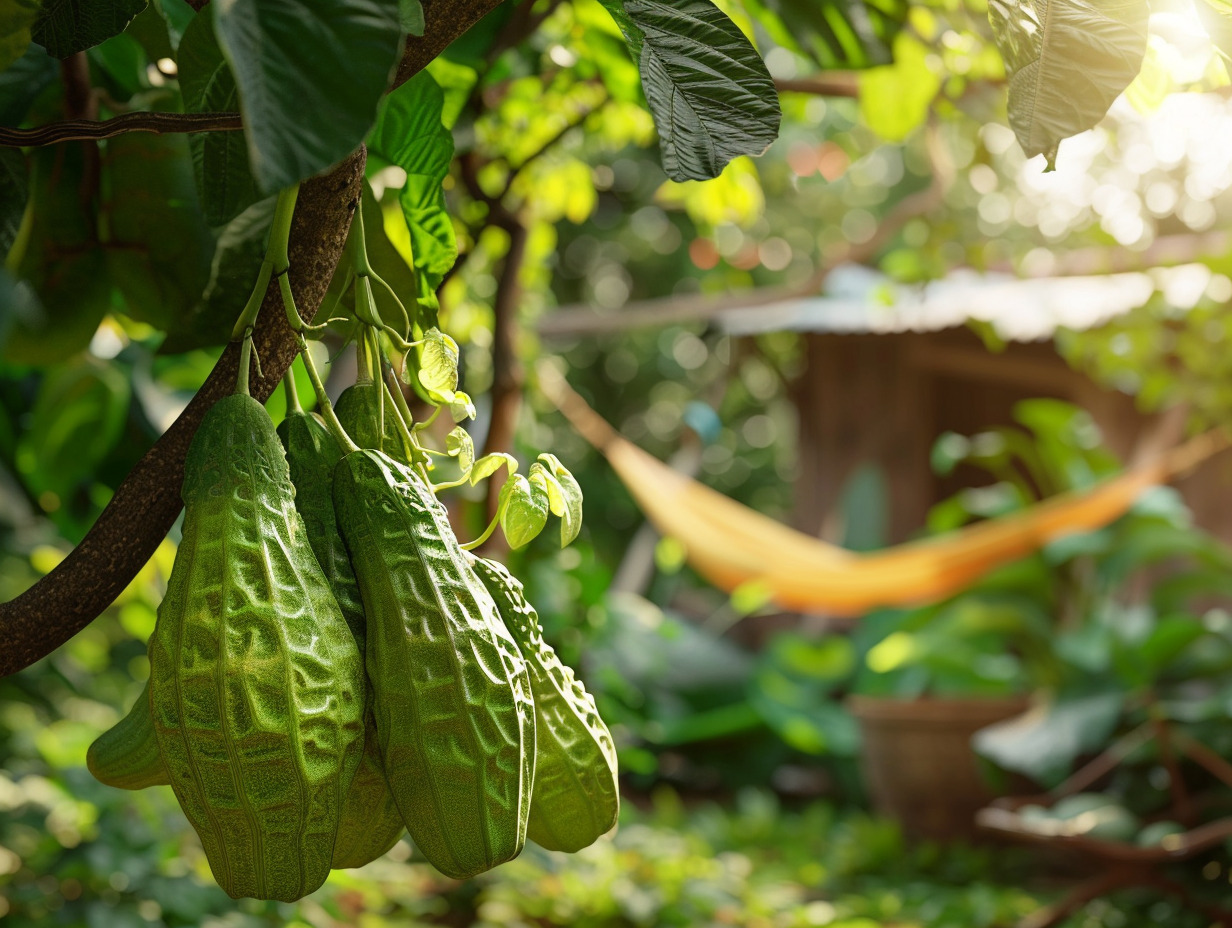
How to enjoy chayote in your dishes
All parts of the plant are used: root, shoots, fruit. Chayote is a versatile plant in the kitchen, offering a multitude of culinary possibilities.
The fruit can be consumed in various forms: raw, cooked, stuffed, or in a gratin. Its crunchy texture and delicate flavor resemble that of cucumber or zucchini. Here are some ideas to incorporate it into your recipes:
- Salads: grate the raw fruit and mix it with lemon and fresh herbs.
- Gratins: slice it and alternate with layers of cheese and cream.
- Soup: add pieces of chayote to your soups for a touch of sweetness.
The root, on the other hand, can be cut into sticks and prepared like fries. It is also rich in nutrients, particularly potassium and magnesium. The young tender shoots can be sautéed, offering an interesting alternative to spinach or green beans.
In addition to being tasty, chayote is a health ally: composed of 90% water, it is low in calories and diuretic. It is also rich in vitamins C and B, as well as copper. The fruit is attributed with medicinal properties, such as the ability to erase blemishes on the face.
The raw pulp of the fruit can be used as a skin mask, while the dried stems are used to make hats. Thus, chayote is not only an asset for your plate but also for your well-being.