Keeping meat after cooking is essential to ensure food safety and maintain the taste quality of dishes. With appropriate techniques, it is possible to extend the shelf life of meat dishes while preserving their flavor and texture. Mastering these methods is particularly valuable for both restaurant professionals and home cooking enthusiasts. It involves applying cooling, storage, and reheating principles that, when executed well, allow for enjoying flavorful meat preparations even several days after they are made.
Optimizing Cooked Meat Preservation: Methods and Precautions
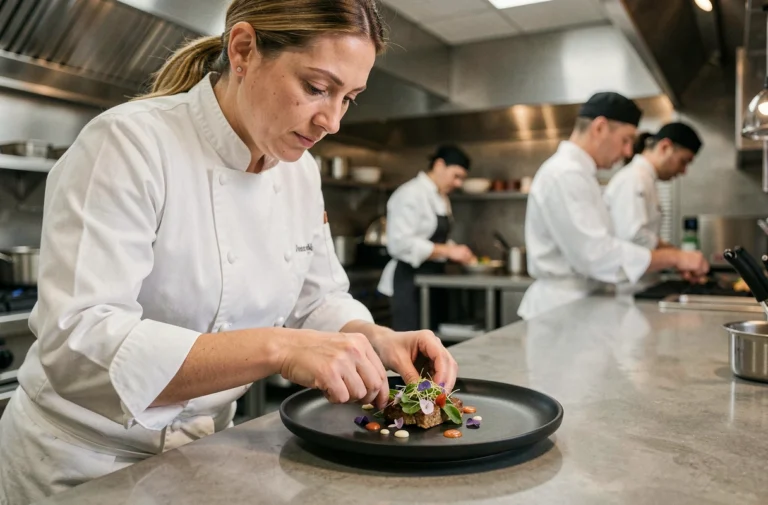
Resting and Internal Temperature: Meat requires a resting time after cooking, as this promotes better juiciness and tenderness. This time varies depending on the size of the cut; experienced chefs often use a warm plate and aluminum foil to keep the meat warm during this rest. Special attention should be paid to the internal temperature, which interestingly continues to rise even when the meat is wrapped in aluminum foil. In this regard, using a meat thermometer is essential to ensure accurate measurement and avoid overcooking after removing it from the heat.
Packaging and Storage: Regarding packaging, keeping meat in its original packaging can help protect against external contaminants. To maximize the shelf life of cooked meat, you should refrigerate it promptly after the resting time. The refrigerator temperature should be set below 4°C, the threshold beyond which bacterial proliferation accelerates. For meats such as ground meat, steaks, or roasts, the shelf life varies, and following the recommendations of an expert butcher can be wise for each type of meat.
Sterilization and Long-Term Storage: For long-term storage, cooked meat sterilization can be considered. However, this method, often reserved for professionals, requires specific equipment and mastery of canning techniques. For households, freezing remains a viable option, provided that the cold chain is strictly respected. Cooked meat can be frozen, but it is crucial to ensure controlled thawing, ideally in the refrigerator, to maintain food safety and meat quality.
Long-Term Preservation Strategies: Refrigeration, Freezing, and More
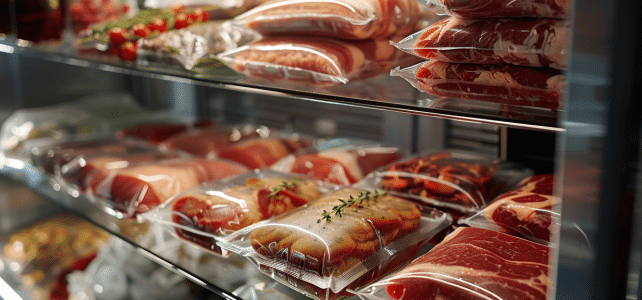
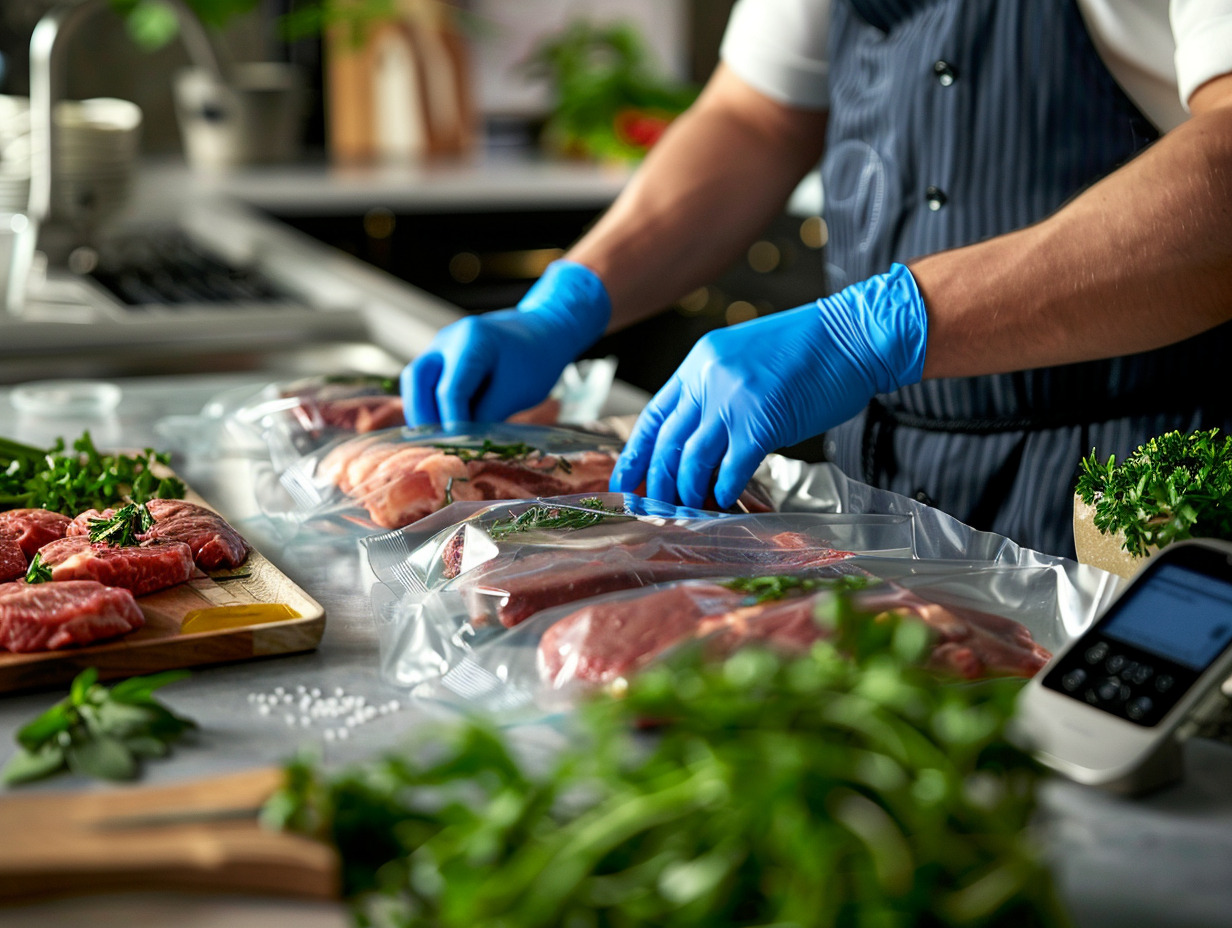
Maintaining the Cold Chain and Vacuum Packaging: For optimal meat preservation, the cold chain is of paramount importance. The refrigerator, which keeps meat at a temperature below 4°C, remains a significant ally. Vacuum packaging significantly extends the shelf life of meat by limiting exposure to air and thus slowing oxidation. Consumers should keep in mind that vacuum-sealed meat lasts longer than non-vacuum-sealed meat, without compromising its quality.
Freezing, a Barrier Against Bacterial Proliferation: Freezing is another effective preservation technique, as it prevents bacterial proliferation. It is particularly recommended for large cuts of meat or for long-term use. To maintain the integrity of the meat, professionals, such as butchers, recommend strictly following the freezing and thawing process. Place the meat in an insulated bag or suitable packaging before putting it in the freezer to avoid freezer burn and preserve texture and flavor.
Thawing Practices and Reusing Meat: Thawing should be done carefully, preferably in the refrigerator, to preserve food safety and the organoleptic quality of the meat. You should plan this step, as thawing at room temperature or under hot water can lead to undesirable bacterial growth. Shelf life varies depending on the type of meat; thus, ground meat will not last as long as a steak or roast. Follow the expert advice of a professional butcher for each category of meat, whether raw, dried, or cooked, for safe culinary use.